Best Deep Sleep Music for Insomnia: What Works
What is the best deep sleep music for insomnia?
The best deep sleep music for insomnia is the kind that keeps your brain from “listening for what’s next.” For most people, that means slow, steady, and predictable audio: ambient soundscapes, soft instrumental tracks, gentle drones, binaural beats, or simple piano pads without sudden tempo changes. A consistent, low-intensity track helps reduce mental arousal and can make it easier to drift off—and stay asleep.
Look for music with a slow pace (often around 60 beats per minute or less), minimal vocals, and no sharp transitions. Nature layers (rain, ocean, forest) or pink/brown noise blended with soft tones can be especially helpful if insomnia is tied to a noisy environment or a racing mind. If you’re sensitive to repetitive melodies, choose more atmospheric tracks that feel “continuous” rather than song-like.
How to choose the right sleep audio
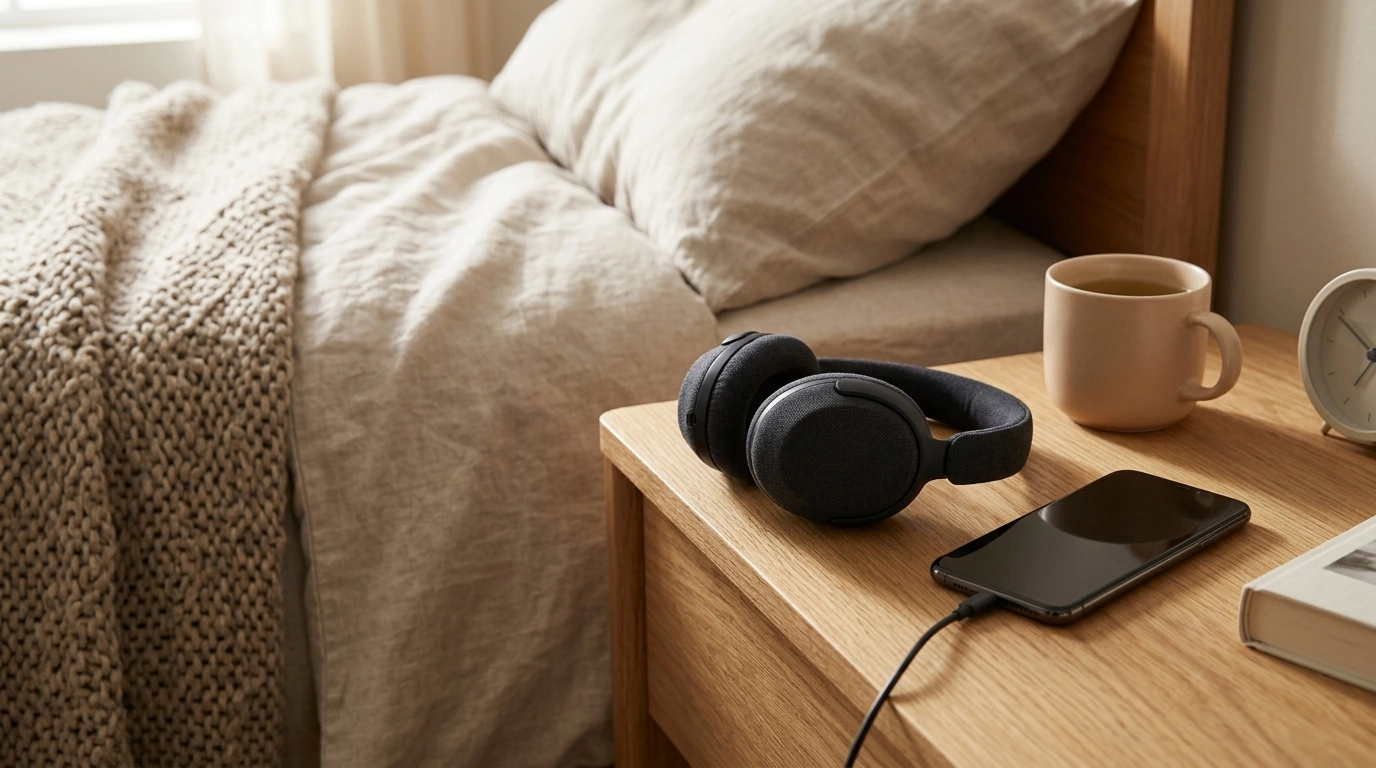
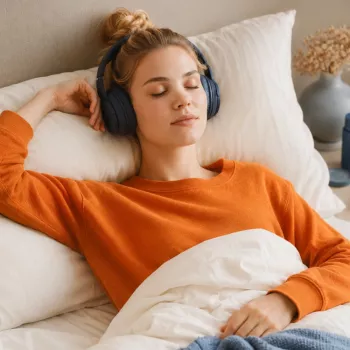
Start with one style and test it for 3–5 nights before switching. Keep the volume low—just loud enough to mask distractions. If you wake up easily, use a sleep timer (30–90 minutes) or pick an all-night loop that doesn’t change much. Headphones can be uncomfortable for side sleepers, so a bedside speaker or pillow speaker may work better.
What to avoid if you have insomnia
Avoid upbeat music, heavy bass drops, tracks with lyrics, or anything with noticeable “builds” or dramatic crescendos. Even if it feels relaxing at first, changing dynamics can pull attention back and make it harder to fall asleep again after nighttime awakenings.
For specific recommendations and styles to try, see the full guide here: https://hotitemsrealm.shop/what-is-the-best-deep-sleep-music-for-insomnia/.
For Best Deep Sleep Music for Insomnia: What Works, the best answer depends on fit, material, care instructions, and how the product will be used day to day.
FAQ
Should I use a sleep timer or play music all night?
A sleep timer works well if you mainly struggle to fall asleep, while all-night looping can help if you wake up easily. Choose whichever leads to fewer awakenings and feels less distracting.









Leave a comment